
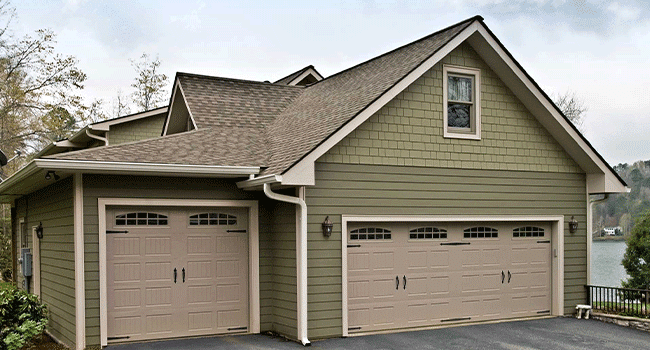
Garage doors rely on a simple but vital safety system that prevents them from closing on objects, people, or pets. These safety sensors work quietly in the background, and most of us don’t notice them until something goes wrong. Testing them regularly helps ensure that your garage door remains a safe and reliable part of your home.
Below, we’ll walk through how safety sensors work, the signs that something might be wrong, and simple steps you can take to test and maintain them. Our goal is to help you feel confident performing these checks safely, using nothing more than a few minutes of your time and items you already have at home.
Understanding Garage Door Safety Sensors
Safety sensors are mounted near the bottom of your garage door tracks, one on each side. They create an invisible beam between them. When that beam is interrupted, the door will not close. This is what prevents the door from accidentally lowering on a person, pet, or object.
The sensors are connected to your garage door opener system and communicate with it constantly. When they’re properly aligned, the opener receives a steady signal that it’s safe to operate. If something breaks that signal, the system instantly stops or reverses the door’s movement.
Over time, sensors can shift out of alignment, get dirty, or be affected by sunlight or electrical interference. When that happens, your door might refuse to close or may start reversing unexpectedly.
Why Regular Testing Matters
We tend to think of garage doors as simple mechanical systems, but they are powerful pieces of equipment that can cause serious injury or damage if the safety features fail. Testing your sensors once a month is a habit that can save you from accidents and expensive repairs later.
Humidity, dust, and even vibrations from daily use can move or loosen the sensors slightly. Children playing near the door or moving storage items close to the tracks can also knock them out of place. The good news is that testing them takes only a few minutes, and you can do it yourself without tools.
How to Prepare for the Test
Before you start, make sure the area around your garage door is clear. Move bikes, boxes, or garden tools away from the sensors so you can access them easily. You’ll also want to check the small indicator lights on the sensors.
One sensor usually emits a steady light when it’s properly aligned. The other shows a receiving light, which should also stay solid. If either light blinks or turns off, alignment or wiring might be an issue, and you should address that before continuing.
Step-by-Step: Testing the Safety Sensors
Step 1: Close and Observe
Use your wall button or remote to close the door. While it’s closing, wave a long object like a broomstick or a cardboard box in front of one of the sensors. The door should immediately stop and reverse direction.
If it doesn’t respond, release the button or use the emergency release cord to stop the door manually. Then check the sensor lights again. Misalignment or dirt on the lenses are the most common causes of a failed test.
Step 2: Test Using an Object
Place a box or a roll of paper towels directly in the path of the door, right under the invisible beam between the sensors. Try closing the door again. If the sensors are working, the door will not move at all.
If it closes onto the object, stop the process immediately and unplug the opener until you fix the issue. Continuing to operate it with faulty sensors is unsafe and may cause damage to both the door and the opener.
Step 3: Clean the Sensor Lenses
A soft cloth and a small amount of mild cleaner are enough to wipe away dust or grime. Avoid using rough materials or strong chemicals. Even a light layer of dirt can block the infrared signal and cause the sensors to misread the environment.
After cleaning, repeat the tests. If the door now reacts correctly, you’ve solved the problem. If not, move on to checking alignment.
Step 4: Realign the Sensors
Gently loosen the mounting brackets and adjust the sensors until both indicator lights glow steadily. Use a level if needed to make sure they face each other directly. Tighten the brackets and test again with your broomstick or box.
A good rule of thumb is to align them so that the beam is no higher than six inches off the ground. That’s the standard height for detecting pets or objects while still allowing normal operation.
Advanced Tips for Better Accuracy
While most basic guides stop at cleaning and alignment, there are a few extra checks you can perform for long-term reliability.
First, make sure the wires leading into the sensors are not frayed or pinched. Over time, vibrations can wear down insulation, causing intermittent failures. If you see exposed copper or cracked insulation, it’s best to have a technician inspect it before the problem grows.
Second, check how sunlight hits your garage door area. In some cases, direct sunlight can confuse the sensors. If your door acts up mostly during certain hours of the day, sunlight glare may be the culprit. Small hoods or shields can be attached above the sensors to block excess light.
Third, inspect your power connections. If you have other devices sharing the same outlet as the opener, a power fluctuation could briefly interrupt the sensor circuit. Using a surge protector can help prevent false errors and protect the system from electrical damage.
How Often to Test Your Sensors
Testing once a month is a good habit, especially if your garage door is used multiple times a day. However, after any event that might have impacted the door—such as heavy rain, accidental bumps, or power outages—it’s wise to run a quick check.
New homeowners or renters should also perform a sensor test right after moving in. You never know how well the previous occupants maintained their system.
What If the Sensors Pass but the Door Still Acts Up
If you’ve tested and confirmed the sensors work but the door still reverses unexpectedly or fails to close, the issue may be elsewhere. Common causes include misaligned tracks, worn rollers, or a problem with the opener’s sensitivity settings.
This is when professional evaluation becomes important. Complex issues with openers and alignment can sometimes mimic sensor failure. If your tests check out but the door still behaves erratically, it’s best to request a full inspection from a qualified technician.
You can always visit garage door repair Calgary for expert insight into how different garage systems respond to environmental changes in local conditions.
When to Replace Garage Door Sensors
Sensors generally last about 10 years, depending on their exposure to dust, moisture, and vibration. Signs that they might need replacement include flickering lights that don’t stabilize, visible corrosion on the wiring, or persistent false readings after cleaning and alignment.
Newer sensors tend to be more resistant to glare and moisture, and replacing outdated ones can improve both safety and reliability. If you’re unsure whether replacement is necessary, a technician can measure voltage and signal strength to confirm.
Common Mistakes to Avoid
One common mistake homeowners make is testing sensors only when something goes wrong. By then, a small issue may have already caused other wear in the system. Regular preventive checks reduce that risk.
Another mistake is pushing or adjusting the sensors roughly. They are delicate devices, and even a small crack in the housing can misdirect the infrared beam. Always handle them gently and tighten screws only enough to hold them steady.
Finally, avoid taping over sensors or raising them above the required height. Some people do this temporarily to “bypass” a malfunctioning system, but it removes the safety protection completely and creates real danger.
The Role of Maintenance in Sensor Performance
Safety sensors rely on a stable door system. Loose hinges, unbalanced springs, or damaged rollers can all affect how the door interacts with its sensors. When we inspect a system, we don’t just clean or realign sensors—we also check these surrounding components.
If you notice that your door seems heavier than usual, vibrates while opening, or makes new noises, take that as a sign to check the sensors as well. Often, these issues are linked, and correcting one helps the other.
Getting Professional Help
While most people can test and clean their sensors, wiring and internal circuit problems require specialized tools and experience. If your sensors remain unresponsive or your opener shows an error code, professional service ensures the problem is fixed safely and completely.
You can contact us for a full system inspection or repair appointment. Having a trained technician review your system is the surest way to prevent accidents and keep your door running smoothly.
FAQ
How do I know if my garage door sensors are bad?
If your door won’t close fully or the indicator lights on the sensors are blinking even after cleaning and realignment, the sensors might be failing.
Can I bypass the sensors temporarily?
It’s unsafe to bypass them. The sensors are a mandatory safety feature, and disabling them exposes you and your property to potential harm.
Why does my garage door close during the test but stop halfway later?
That can happen if the sensors are slightly misaligned. Small vibrations can shift them again, so ensure the brackets are firmly tightened after adjustment.
Do all garage doors use the same type of sensors?
Most modern openers use similar infrared systems, but connectors and mounting styles differ. Always check your manufacturer’s guidelines before replacing parts.
What causes sensors to go out of alignment so often?
Frequent movement around the garage, children playing near the door, or even mild ground vibration from heavy traffic can shift them over time. Tight brackets and clear space around the sensors help prevent this.