
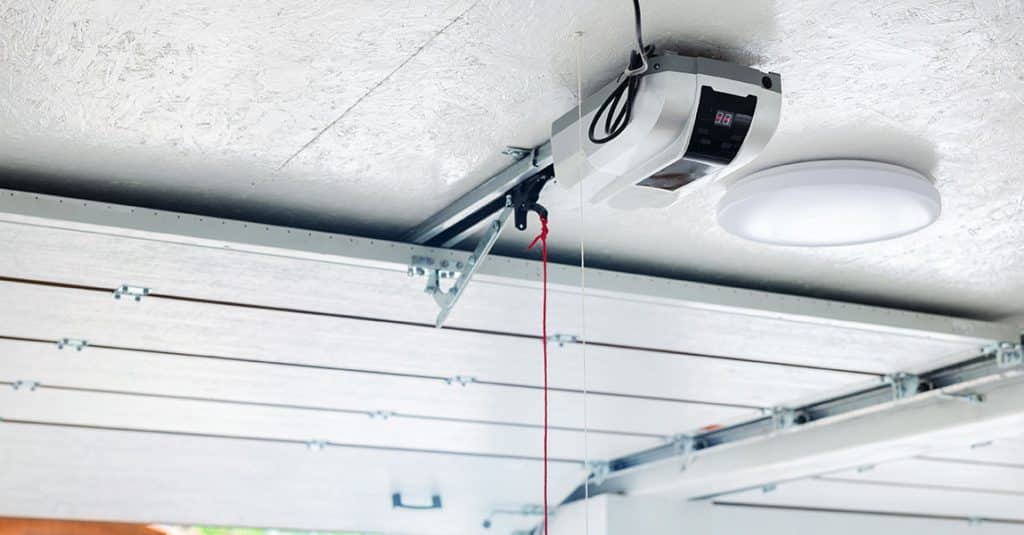
Garage door springs carry the weight of the entire door, so even small amounts of rust can lead to serious problems over time. In humid environments, moisture and condensation make corrosion more likely. We often get calls from homeowners who notice their springs looking brown or flaking, unaware that those early signs of rust can shorten the life of the system. The good news is that you can prevent rust from forming with simple, consistent maintenance.
Understanding Why Garage Door Springs Rust
Springs rust because they are made of steel, and steel reacts with oxygen and moisture. When humidity lingers in the garage, condensation forms on metal surfaces, including the springs. This thin layer of moisture is enough to start oxidation. Over time, the rust weakens the steel and causes the coils to lose tension. The door becomes harder to lift, the opener strains, and eventually the spring may snap.
In Calgary, fluctuating temperatures can make the problem worse. During the day, warm air enters the garage. At night, cooler temperatures cause condensation. This daily cycle repeats, creating ideal conditions for rust. Understanding how this process happens helps you take the right steps to prevent it before damage occurs.
Keep Humidity Under Control
The best defense against rust is controlling the air moisture inside the garage. While garages are not usually climate-controlled, there are ways to minimize humidity effectively.
Start with airflow. Open the garage door for short periods when the weather is dry to let moisture escape. Installing a small vent fan or dehumidifier also helps balance humidity levels. If you store items like wet boots, garden tools, or vehicles that track snow and rain inside, make sure they dry completely before closing the door.
Weatherstripping can also help, but only when it is intact. Old or cracked seals allow damp air to leak in. Replacing worn weatherstripping along the bottom and sides keeps outside moisture from sneaking in and settling on metal parts.
Use a Protective Lubricant
One of the simplest and most effective ways to prevent rust is to apply a silicone-based or lithium-based spray lubricant to the springs. Lubrication creates a barrier that prevents water and oxygen from reacting with the metal surface.
We recommend applying lubricant at least three times a year. Spring and fall are the best times, since these seasons bring humidity changes that cause condensation. Always clean the springs first with a dry cloth to remove dirt and dust before spraying.
Avoid using regular oils like WD-40 for long-term protection. These products are designed to displace moisture but evaporate quickly, leaving the springs exposed again. A garage door lubricant specifically formulated for metal protection will provide lasting results.
Regular Cleaning and Inspection
Rust often starts in small spots that go unnoticed. That’s why regular inspection matters. Every few months, take a few minutes to look over the springs closely. If you notice discoloration, rough texture, or orange specks, wipe the area with a clean rag. Light surface rust can often be removed before it spreads.
You can use a mild household cleaner or vinegar on a soft cloth to gently scrub away surface rust. Make sure the springs are dry afterward before applying lubricant. If you notice deep pitting or cracks, it’s a sign that the metal’s integrity is already compromised. In that case, it’s safer to have the spring replaced.
If you ever find yourself unsure about the condition of your system or need professional inspection for garage door repair Calgary, scheduling an appointment can help prevent costly failures later on.
Maintain a Consistent Temperature
Garages that experience drastic temperature swings tend to have more condensation problems. When warm air meets a cold metal surface, it forms droplets that eventually lead to rust. Maintaining a more consistent temperature slows down this process.
Insulating the garage door can make a big difference. Insulation not only improves energy efficiency but also stabilizes interior temperatures. You can also consider insulating exterior walls if you use the garage frequently or store valuable equipment inside.
If you use a space heater in the winter, keep it set to a moderate temperature instead of blasting heat into a cold space. Slow temperature changes reduce condensation and protect both the door and its mechanical parts.
Keep the Garage Clean and Dry
Standing water or high moisture on the floor raises humidity levels inside the entire garage. Snow melting off your car, puddles from rain, or damp concrete all contribute to a damp environment that encourages rust.
Sweep or mop water from the floor after heavy rain or snow. You can also install floor mats designed to capture water from vehicles. These mats prevent melted snow and mud from pooling near the base of the door where metal components are most exposed.
If your garage tends to flood during spring thaws or heavy storms, improving drainage outside the door can help. A slight slope away from the garage or a simple trench drain near the entrance keeps water from seeping in.
Apply a Rust-Resistant Coating
For homes in consistently humid or coastal environments, a rust-resistant coating adds another layer of defense. Clear sealants or specialized corrosion-resistant sprays can be applied directly to the springs. These coatings bond with the metal, blocking oxygen and moisture.
Some homeowners choose to paint their springs with rust-preventive enamel, though this requires care to avoid affecting tension or balance. If you go this route, make sure to apply thin, even layers and allow them to dry completely before operating the door.
While coatings take more effort initially, they significantly reduce maintenance needs and extend the lifespan of the springs.
Replace Old Springs Before They Fail
Even well-maintained springs have a limited lifespan, usually around 10,000 cycles, which translates to about 7–10 years for most homes. Rust accelerates wear, making the spring more likely to break under tension.
If your springs are already corroded, the best way to ensure safety and performance is to replace them. Newer springs often have protective finishes that resist rust better than older models. Replacing both springs at the same time helps keep the door balanced and operating smoothly.
Since spring replacement involves handling high-tension components, it’s always best to leave this job to professionals. Attempting to replace a spring without proper tools or experience can cause serious injury.
Address Leaks and Seepage Around the Garage
Many homeowners focus on the door itself but overlook leaks around the ceiling, walls, or foundation. Small leaks can create ongoing dampness, leading to higher humidity levels. If you notice any water stains or damp spots, track down the source and seal it.
Roof leaks can drip onto metal parts over time, while foundation cracks let groundwater seep upward during rainy seasons. Proper caulking, waterproof paint, and regular inspection of roof flashing help reduce these risks.
If your garage shares a wall with a bathroom or laundry room, check for plumbing leaks. Even minor drips from pipes can raise humidity enough to start the corrosion process.
The Importance of Proper Ventilation
Many garages lack adequate ventilation. Without air circulation, moisture lingers, creating the perfect environment for rust to form. Adding vents or a small exhaust fan can improve airflow and help dry out damp air faster.
If your garage connects to your home, keeping the door between the two spaces closed also helps. This prevents warm, moist indoor air from moving into the cooler garage and condensing on metal surfaces.
Proper ventilation also prevents mold growth, musty smells, and corrosion on tools and vehicles, creating a healthier environment overall.
When to Call for Help
If rust has already spread across the spring coils or you notice the door moving unevenly or making grinding sounds, it’s time for a closer look. Ignoring these signs can lead to sudden failure that damages other components or traps your vehicle inside.
Professional technicians have tools to test spring tension and identify hidden corrosion. Routine service ensures that every part of the system is balanced, lubricated, and functioning safely. You can easily contact us for an inspection or maintenance visit if you’re unsure about the condition of your garage door system.
Extra Tip: Watch for Airflow from the Door Gaps
An often-overlooked factor in preventing rust is airflow around the door itself. If you can feel air blowing through gaps when the door is closed, humid air is constantly entering. Adjusting the door alignment or replacing worn bottom seals can help maintain a controlled environment.
In Calgary’s dry winters, this might not seem like a concern, but during the spring thaw or summer humidity, those gaps can make a big difference. Maintaining a tight seal keeps moisture out and prolongs the life of every metal component, not just the springs.
FAQ
Why do garage door springs rust faster than other parts of the door?
Springs have a rough, coiled surface that traps moisture and dust. The constant tension also creates micro-cracks where rust forms easily.
Can I use regular oil to prevent rust on springs?
Regular oil attracts dirt and evaporates quickly. Use a silicone or lithium-based lubricant instead for long-term protection.
How often should I lubricate my garage door springs?
Lubricate them three times a year, or more often if your garage is humid or exposed to salt from winter roads.
Is it safe to remove rust from springs myself?
Light surface rust can be cleaned carefully, but deep corrosion weakens the metal. If you see cracks or heavy pitting, replacement is safer.
What are the signs that my springs need replacing?
If the door feels heavy, opens unevenly, or you hear loud creaks, the springs may have lost tension. Rust or flaking metal are also warning signs.